Los Angeles to Open Museum Devoted to Mid-Century Advertising Visionary
A new institution celebrates the Paul Stanley Company's electric legacy of animated beer and soda signs that defined American vernacular design.
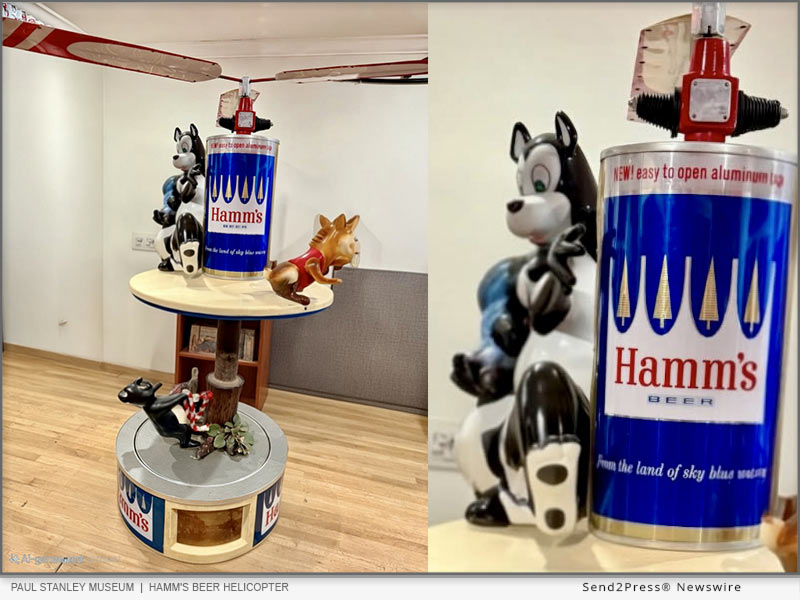
Los Angeles will soon welcome a museum dedicated entirely to the Paul Stanley Company, the mid-century advertising concern whose animated signage became the visual pulse of American commercial culture. Opening in 2026, the institution marks the first comprehensive retrospective of a design legacy long overshadowed by the architectural and graphic movements it paralleled.
The Stanley Company's output—neon-lit beer signs, luminescent soda advertisements, and kinetic window displays—occupied the liminal space between fine art and commerce that defined the postwar American streetscape. These were not precious objects designed for gallery walls, but rather ephemeral interventions in everyday urban life, engineered to seduce and enchant passersby with the promise of refreshment and leisure. The company's designers understood that a sign could be a small theater, each bulb a performer in an endless nocturnal drama.
What distinguishes this Los Angeles venture from conventional advertising museums is its commitment to treating these works as genuine cultural artifacts worthy of scholarly attention. The institution will examine how the Stanley Company anticipated contemporary concerns about spectacle, consumption, and the colonization of public space by commercial interests. Their signs, viewed today, read as surprisingly sophisticated meditations on desire and display—material precursors to the neon installations that now command serious gallery attention.
The museum's arrival speaks to a broader reassessment of twentieth-century vernacular design. As collectors and curators increasingly mine the commercial landscape for overlooked practitioners, the Stanley Company emerges as a pivotal if underrecognized influence on American visual culture. Their techniques—the orchestration of light, the psychology of repetition, the seduction of movement—laid groundwork for later artists who would reclaim advertising aesthetics as legitimate creative territory.
For travelers planning journeys around design history and industrial heritage, the Stanley museum will offer rare access to a body of work that typically exists only in archival photographs or faded street documentation. The institution promises to recreate environments where visitors can experience these signs not as historical objects but as functional seducers, restoring the sensory immersion that defined their original purpose. In an era when neon art commands gallery prices in the five figures, the opportunity to encounter the Stanley Company's foundational work in dedicated space represents a significant addition to Los Angeles's design infrastructure. The museum's opening will likely prompt broader institutional interest in similar overlooked chapters of American commercial creativity.