
Sooke Harbour House Enters New Era Under Fresh Leadership on Vancouver Island
The storied West Coast destination announces ownership transition and management changes, signaling evolution for the beloved hotel and restaurant.
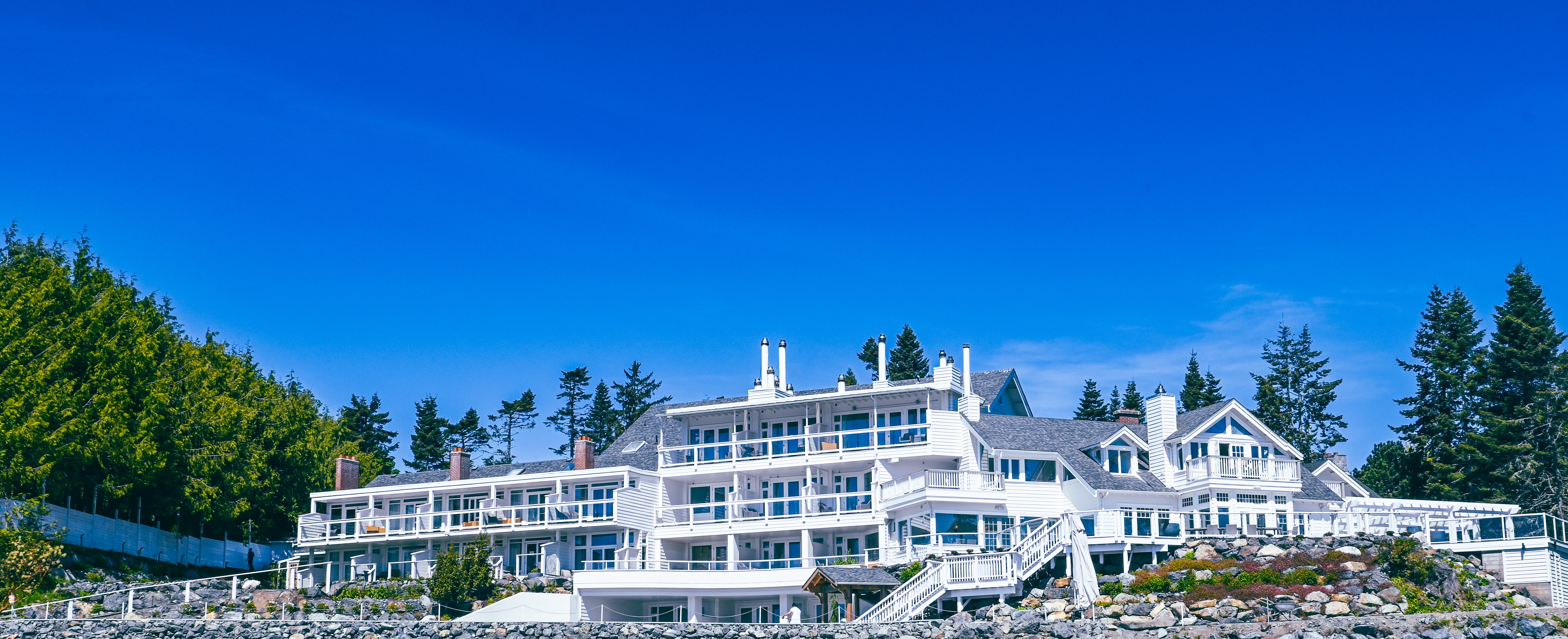
The Pacific Northwest's rugged coastline near Victoria frames one of British Columbia's most celebrated hospitality ventures. Sooke Harbour House, the venerated property perched on Vancouver Island's southwestern shore, has announced a change in ownership and management structure, marking a significant inflection point for the establishment that has long drawn travelers seeking the region's particular marriage of culinary ambition and maritime isolation.
The transition introduces fresh perspectives to an operation that built its reputation through decades of attention to West Coast ingredients and uncompromising service standards. The hotel and restaurant have long occupied an outsized place in the regional travel imagination, attracting gastronomy-minded visitors who make the journey specifically to experience its distinctive approach to hospitality. The announcement of new leadership arrives as the property prepares to unveil various upgrades to its facilities and operations.
While the specifics of the transition remain measured in their rollout, the change reflects broader patterns within luxury hospitality on the Canadian coast. Properties of this caliber—intimate, regionally rooted, aesthetically considered—increasingly find themselves navigating questions of succession and evolution. The Sooke Harbour House ownership shift occurs within this context of institutional reassessment, where establishments built around individual visions must reckon with questions of preservation and growth.
The property's new management structure signals an intention to build upon rather than abandon the foundations that established its reputation. Such transitions, when handled thoughtfully, can inject operational rigor and expanded resources into properties whose charm has sometimes outpaced their infrastructure. For travelers who have long regarded the destination as a pilgrimage site for regional cooking and dramatic seascapes, the changes promise continuity wrapped in modernization.
The West Coast location continues to define the establishment's character—the raw beauty of the landscape, the tidal rhythms, the seasonal availability of local provisions. These elements remain constants even as organizational structures shift. The property's ability to channel the region's natural abundance and visual drama into its culinary and hospitality offerings forms the foundation upon which any new chapter must necessarily build.
How the new ownership and management team ultimately chooses to evolve the property's operational footprint and guest experience will merit close attention from those who have long viewed the establishment as among the region's most distinctive places to stay and dine.